
Finish Strong: The Low-Carb Fuel Switch - Insulin and how bears switch fuels

High carbohydrate intake calls on insulin most of the day. It locks a runner into a single metabolic mode. That is unfortunate because your body can run on two fuels, not just one.
Imagine a football running back who had only one leg. No running back would try to run on one leg, and no runner should run on only one fuel when the body can process two fuels. Every runner can run on carbohydrate. What is needed is to develop your body’s ability to burn fat while running. The mechanisms to do that are already in your body. People have been exercising on fat for thousand of years. You can do this – you only need to train your body to burn fat in large amounts. If you want to run a marathon, or run at altitude, 8-10 weeks of training will get you ready. Eight weeks is a reasonable time to switch to fat.
Insulin is a storage element. You eat carbs and then blood glucose rises. Your pancreas releases insulin to help store the energy components ( glycogen or fat ). This system works well when carb intake is periodic and balanced by energy usage.
Continually high insulin use encourages fat storage, reduced fat breakdown, and limits the body’s ability to access stored fat for fuel. Continuously high insulin causes insulin resistance which is bad for metabolic health. You want your body to be flexible, to use either fat or carbs as needed, not stuck on a one-note song.
Runners know the problems when carbs run out. What is needed is a flexible system that can switch to fat when needed. This is especially needed in long runs such as an ultramarathon. It may sound like magic, but your body has the means to do this and will do it automatically if you give it the right fuels.
Bears
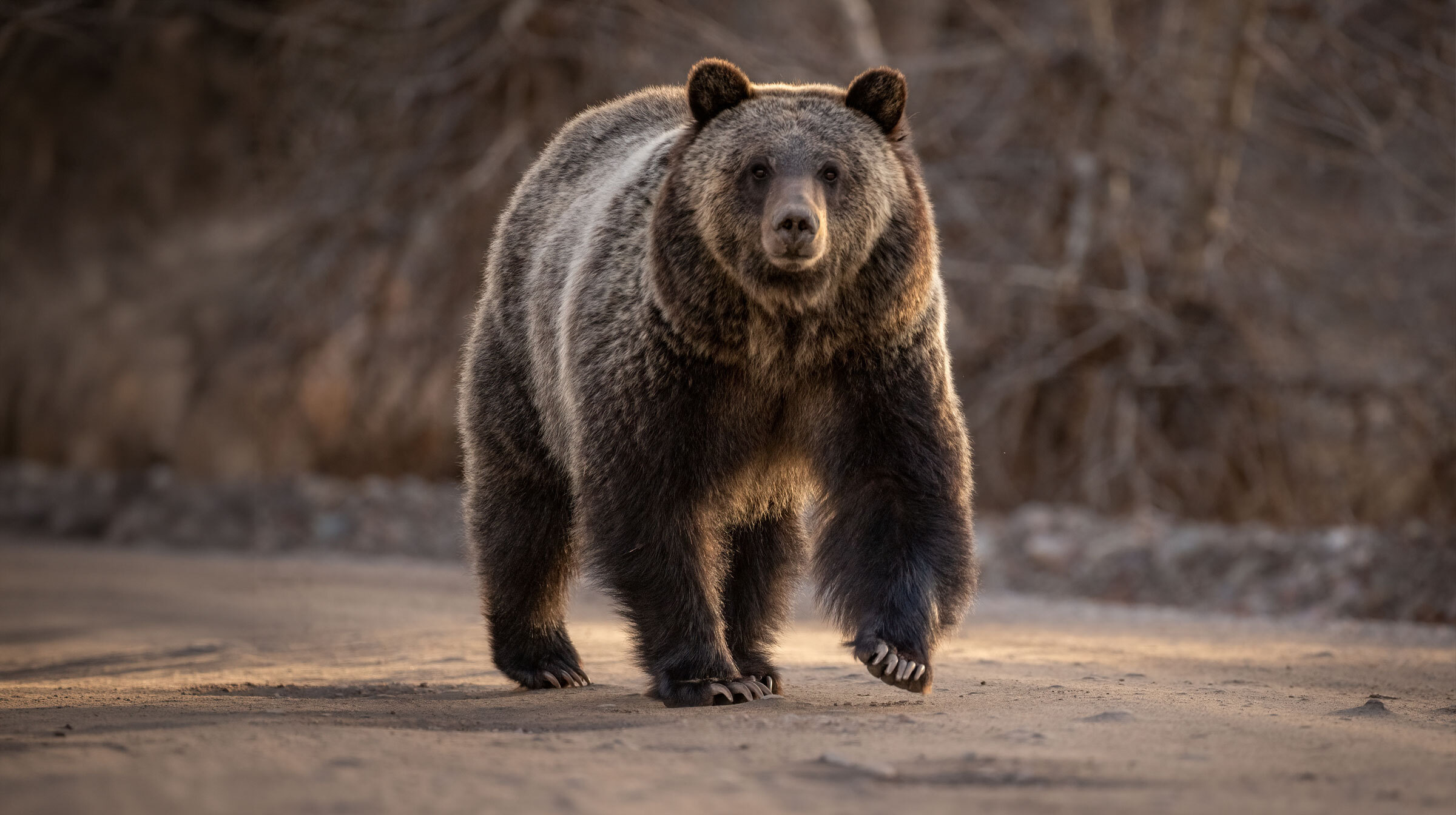
Bears switch fuels every season and it happens automatically. In late Summer, bears go on a feeding frenzy.
They consume large amounts of berries, carbs and fat to increase their fat stores before Winter. When the fruits are in season, the bears gorge. Then the weather turns cold and the fruits disappear. The bears now must live all Winter on the fat they stored on their body. Their insulin level falls and their body fat becomes available for energy. They don’t eat for months, and live off their fat. Humans don’t hibernate, but they have the same kind of fat handing capability as the bears.
Humans don’t hibernate, but they have the same kind of fat handing capability as the bears.
This use of fat is key to long endurance, but it doesn’t mean that you are done with carbohydrates. There are times when you need carbs and want to burn them as needed. For example, when you run long your brain will still need some carbs to function, especially late in a run. The brain doesn’t need a lot, but you can supply some carbs as needed and your body will work better with it.

Now, these fuels need to be used in training, and your body needs to develop the chemistry changes for their use. That means that you need to train for this to happen. The fun part is that you get that done by running. Your body will do the chemistry, but it takes time to learn. You need not strain, it will happen in time. Just eat the right foods and have the patience to let your body respond. People have been doing this to survive the seasons for tens of thousands of years, at least. Your ancestors did this and you can do it too.
Why SUGAR Is the Most Addictive Molecule on Earth
If you have questions or comments, please send them to:
Please pass the links here on to your friends so that they can see what this is about.
Next: What to eat when not running
Read NextStart From The Beginning
Finish Strong: The Low-Carb Fuel Switch — Fuel Introduction
Read First Article